


Understanding the Types of Carpentry Work for Your Home
- Trentside Joinery
- Sep 30, 2025
- 4 min read
When it comes to improving your home, understanding the different types of carpentry work can help you make better decisions. Carpentry is a skilled trade that covers a wide range of tasks. From building frameworks to installing cabinets, each type of carpentry work serves a specific purpose. Knowing what each involves will help you choose the right professional and get the best results.
What Is Carpentry Work?
Carpentry work involves shaping, cutting, and installing wood and other materials to create structures or fixtures. It is one of the oldest trades and remains essential in modern construction and home improvement. Carpentry can be divided into several categories, each focusing on different parts of a building or project.
There are two main types of carpentry work: rough carpentry and finish carpentry. Rough carpentry deals with the structural elements of a building. This includes framing walls, floors, and roofs. Finish carpentry focuses on the visible parts of a project, such as trim, mouldings, and cabinetry.
Carpentry work also includes specialised areas like cabinetry, joinery, and furniture making. Each requires specific skills and tools. For example, joinery often involves creating joints and fittings that hold pieces of wood together without nails or screws.
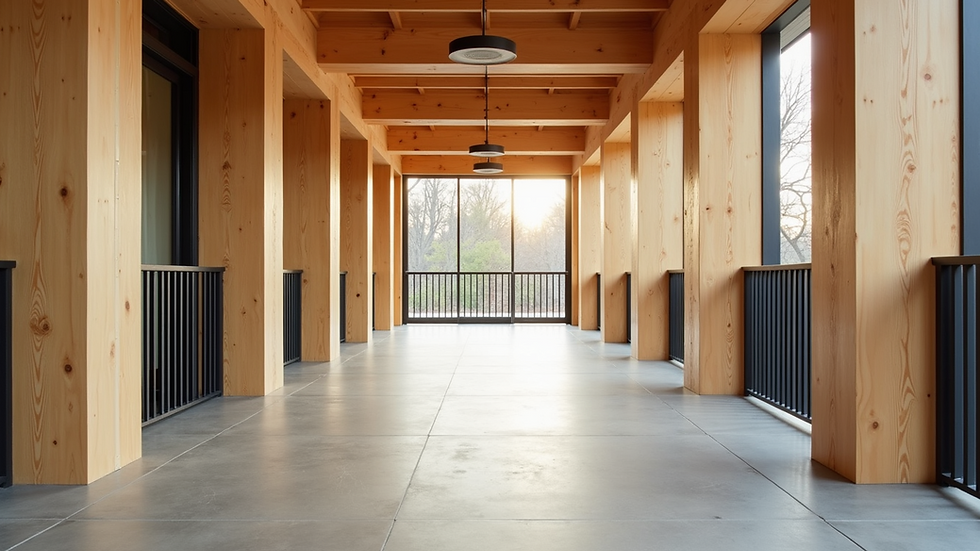
Wooden beams framing a house structure
Different Types of Carpentry Work You Should Know
Understanding the types of carpentry work helps you communicate your needs clearly. Here are the main types you might encounter when working on your home:
Rough Carpentry
Rough carpentry is the backbone of any building project. It involves constructing the frame or skeleton of a house. This includes:
Building wall frames
Installing floor joists
Constructing roof trusses
Creating temporary supports during construction
Rough carpenters work with large pieces of wood and focus on strength and stability. Their work is usually hidden behind walls and ceilings but is crucial for safety.
Finish Carpentry
Finish carpentry is all about the details you see and touch. It includes:
Installing doors and windows
Fitting skirting boards and architraves
Adding decorative mouldings
Building staircases and handrails
Finish carpenters need a keen eye for detail and precision. Their work enhances the look and feel of your home.
Cabinetry and Joinery
Cabinetry involves making and installing cabinets, shelves, and storage units. Joinery is a broader term that covers making wooden components that fit together precisely. This includes:
Kitchen cabinets
Built-in wardrobes
Custom furniture
Wooden doors and frames
These carpenters often work in workshops before installing the pieces on-site.
Exterior Carpentry
Exterior carpentry focuses on outdoor structures. This includes:
Decking and patios
Fencing and gates
Pergolas and garden sheds
Exterior cladding and siding
These projects require materials and finishes that can withstand weather conditions.
Repair and Restoration Carpentry
Older homes often need repair or restoration work. This type of carpentry involves:
Fixing damaged woodwork
Replacing rotten beams or joists
Restoring period features like mouldings or staircases
Matching new work to existing styles
This work requires skill and knowledge of traditional techniques.

Carpenter fitting wooden trim on a wall
How much does a carpenter charge per day in the UK?
If you are planning a project, knowing the cost of hiring a carpenter is important. In the UK, daily rates for carpenters vary depending on experience, location, and the type of work.
On average, a carpenter charges between £120 and £200 per day. More specialised work, such as cabinetry or restoration, may cost more. Some carpenters charge by the hour, typically between £20 and £40.
Keep in mind that these rates usually cover labour only. Materials and additional costs like travel or equipment hire may be extra. It is always best to get a detailed quote before starting any work.
If you want quality and reliability, investing in professional carpenter services is worth it. Experienced carpenters ensure your project is done right the first time.
How to Choose the Right Carpenter for Your Project
Choosing the right carpenter can make a big difference in the outcome of your project. Here are some tips to help you find the best fit:
Check Experience - Look for carpenters who specialise in the type of work you need.
Ask for References - Past clients can tell you about the quality and reliability of the carpenter.
Review Portfolios - Photos of previous projects show the carpenter’s skill and style.
Get Multiple Quotes - Compare prices and services to find the best value.
Confirm Insurance and Guarantees - This protects you in case of accidents or poor workmanship.
A good carpenter will also communicate clearly and offer practical advice. This helps avoid misunderstandings and keeps your project on track.
Practical Tips for Working with Carpenters
Once you have chosen a carpenter, there are ways to make the process smoother:
Be Clear About Your Needs - Provide detailed descriptions or sketches of what you want.
Set a Realistic Budget - Discuss costs upfront to avoid surprises.
Agree on a Timeline - Know when the work will start and finish.
Prepare the Site - Clear the area and ensure easy access for tools and materials.
Stay Involved - Regularly check progress and ask questions if needed.
Good communication and planning help ensure your project runs smoothly and meets your expectations.

Wooden decking being installed outdoors
Bringing Your Carpentry Project to Life
Carpentry work can transform your home in many ways. Whether you want to add storage, improve your garden, or restore a period feature, skilled carpenters make it happen. Understanding the types of carpentry work helps you plan better and choose the right expert.
If you are in Nottinghamshire and want top-quality craftsmanship, consider professional carpenter services. They can guide you through every step and deliver results that last.
Taking the time to learn about carpentry work pays off. It helps you make informed decisions and enjoy a home that looks great and functions well. With the right help, your carpentry project will be a success.


Comments